



Children and youth can gain and maintain control of asthma through appropriate use of medications and management of their triggers. When asthma is controlled, children and youth can lead a healthy, active life. When asthma is uncontrolled, it interrupts daily life, such as playing, socializing, sleeping, and physical activity. It is important to be aware of the signs and symptoms of well-controlled and poorly controlled asthma.
What does well-controlled asthma look like?
- asthma symptoms are experienced fewer than three times a week
- the fast-acting reliever medication (usually a blue inhaler) is used less than three times a week
- physical activity or play is unrestricted with no asthma symptoms experienced
- sleep is uninterrupted with no awakenings due to asthma
- no impact to school/child care attendance
- no asthma attacks or flare-ups occur
What does poorly controlled asthma look like?
- asthma symptoms (for example, cough, trouble breathing, wheezing) are experienced more than two times a week
- the reliever inhaler is used more than two times a week to treat symptoms
- trouble being physically active or playing because of asthma symptoms
- waking up at night or in the early morning due to asthma symptoms (once a week is too much)
- missing school/child care due to asthma
- having asthma attacks or flare-ups
- restricting, avoiding or stopping physical activity due to an inability to breathe
To manage asthma effectively, there are two primary types of medications: reliever (rescue) medications and controller (maintenance) medications, each serving a different purpose.
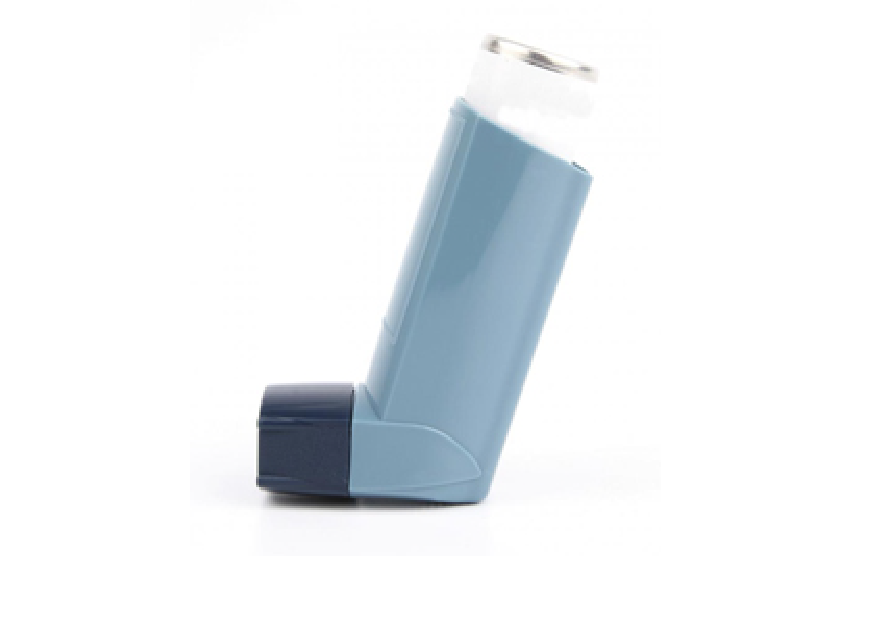
- provide fast but temporary relief of asthma symptoms by relaxing the muscles that surround the airways;
- should always be carried for emergency situations;
- help restore normal breathing within 10-15 minutes and last for about four to six hours; and
- can be used for Exercise-Induced Asthma by taking the prescribed dose 10-15 minutes before exercising.
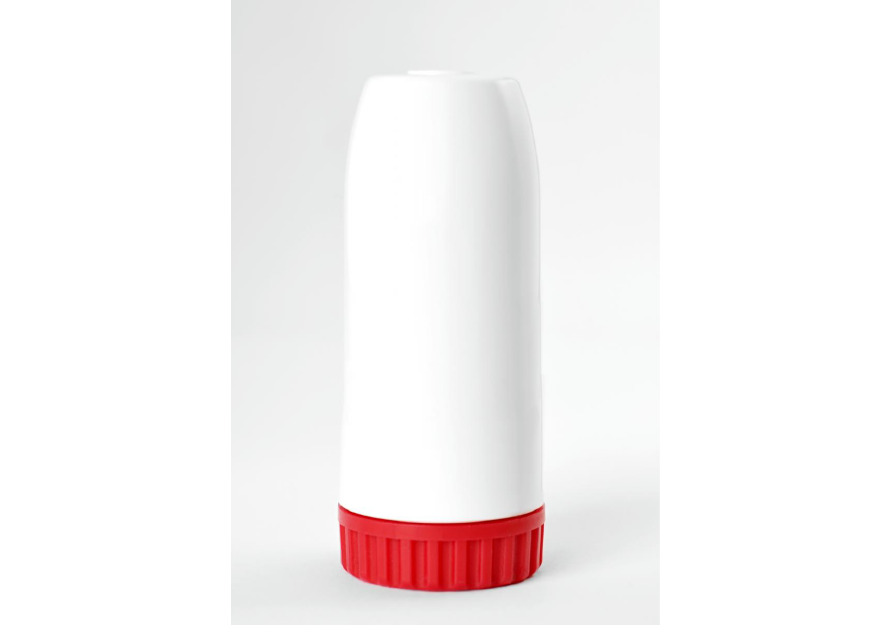
Controllers (Maintenance) Medications
- treat persistent inflammation in the airways;
- reduce and prevent mucus in the airways;
- are taken daily, even when symptoms are not present;
- reduce symptoms over time, but do not provide quick relief during a mild to moderate asthma episode or a severe to life-threatening asthma emergency;
- can lead to a return of inflammation once discontinued; and
- can have more than one medicine contained and are called combination inhalers.
Note: Combination inhalers contain one medicine that works on inflammation and one that relaxes constricting muscles of the airways. Both work to open the airways and control, prevent, and relieve symptoms.
Spray Inhaler/Puffer
For asthma medications that are delivered using a spray, often called metered dose inhaler or puffer, it is recommended that a spacer be attached to the inhaler to make it easier to administer the medication and ensure good delivery of medication to the lungs.
For additional information on inhalers, refer to Inhalation Device videos that include videos on:


